logo

Chi tiết sản phẩm

Created with Pixso. Nhà Created with Pixso. các sản phẩm Created with Pixso.
Enzyme bột và giấy
Created with Pixso.

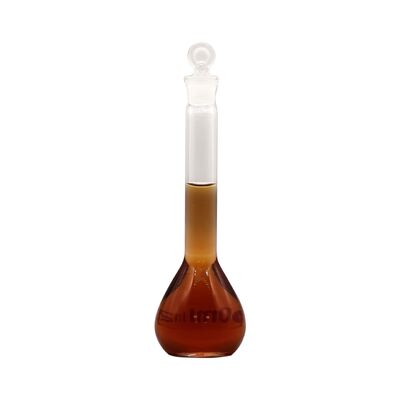
Liquid form surface sizing enzyme density 1.0 to 1.3 grams per milliliter suitable for enhancing paper surface and performance

Liquid form surface sizing enzyme density 1.0 to 1.3 grams per milliliter suitable for enhancing paper surface and performance

Tên thương hiệu: Convertzyme 260D
Thông tin chi tiết
Function:
Bleaching, Deinking, Fiber Modification, Pitch Control, And Drainage Improvement
Type:
Powder/Liquid
Storageconditions:
Store In A Cool, Dry Place Away From Direct Sunlight
Form:
Liquid Or Powder
Appearance:
Light Brown Liquid
Density:
1.0-1.3g/ml(Liquid)
Shelflife:
6 To 12 Months
Purity:
99%min
Mô tả sản phẩm

Product Description:

The Pulp and Paper Enzymes product is a highly specialized solution designed to enhance various processes in the pulp and paper industry. With a density ranging from 1.0 to 1.3 g/ml in its liquid form, this enzyme formulation presents as a light brown liquid that ensures ease of handling and application. Engineered with a purity of 99% minimum, this product guarantees high efficiency and consistent performance in industrial applications.

One of the standout features of this enzyme product is its multifunctional capacity to improve several critical stages of pulp and paper manufacturing. It is primarily used for bleaching, deinking, fiber modification, pitch control, and drainage improvement. These functions are crucial for producing high-quality paper products while optimizing resource usage and reducing environmental impact.

In the bleaching process, the enzyme works to enhance the removal of lignin and other impurities from pulp fibers. This results in a brighter and cleaner pulp, reducing the need for harsh chemical bleaches and contributing to more sustainable paper production. For deinking, the enzyme facilitates the removal of ink particles from recycled paper fibers, improving the quality of recycled pulp and enabling the production of cleaner, whiter paper products.

Fiber modification is another important function of this enzyme. By selectively breaking down certain fiber components, the enzyme improves fiber bonding and paper strength, leading to better sheet formation and enhanced paper quality. Additionally, pitch control is addressed by the enzyme's ability to degrade sticky pitch substances that can cause deposits and operational issues in paper machines. Effective pitch control helps maintain smooth production processes and reduces downtime for equipment cleaning.

The enzyme also plays a vital role in drainage improvement. By modifying fiber surfaces and reducing the retention of fines and fillers, it enhances water drainage during the paper formation process. Improved drainage results in faster production speeds and reduced energy consumption during drying, contributing to overall operational efficiency.

The optimal pH range for this enzyme product lies between 4.5 and 7.5, making it versatile and compatible with a wide range of pulp and paper processing conditions. This pH range ensures the enzyme maintains its activity and stability, delivering consistent results across different applications.

A key aspect of this product is its classification as a surface sizing enzyme. Surface sizing enzymes are critical in the paper industry for modifying the surface properties of paper, improving printability, strength, and resistance to water and grease. The inclusion of a surface sizing enzyme in this product formulation highlights its advanced capability to enhance paper quality not just internally but also at the surface level. This dual functionality sets it apart from conventional enzyme products.

Surface sizing enzyme technology incorporated in this product allows paper manufacturers to achieve superior surface characteristics without compromising the internal strength and integrity of the paper. This means that papers treated with this enzyme exhibit excellent surface smoothness, better ink absorption, and improved resistance to external factors, making them ideal for high-end printing and packaging applications.

In summary, the Pulp and Paper Enzymes product is a powerful and versatile enzyme solution tailored to meet the demanding needs of the pulp and paper industry. Its high purity, optimal pH range, and multifunctional capabilities in bleaching, deinking, fiber modification, pitch control, and drainage improvement make it an indispensable tool for manufacturers aiming to enhance product quality while promoting sustainable and efficient production practices. The presence of surface sizing enzyme technology further amplifies its value by improving the surface properties of paper, ensuring that end products meet the highest standards of performance and appearance. This product is an excellent choice for any paper mill seeking to leverage advanced enzymatic solutions for better process control and superior paper quality.


Features:

  • Product Name: Pulp And Paper Enzymes
  • Classification: Feed Enzyme
  • Appearance: Light Brown Liquid
  • Functions: Bleaching, Deinking, Fiber Modification, Pitch Control, And Drainage Improvement
  • Benefits:
    • Reduces Chemical Usage
    • Improves Brightness And Strength
    • Environmentally Friendly
  • Einecs No: 232-800-2
  • Special Feature: Acts as a surface sizing enzyme to enhance the quality of paper products
  • Applications include use as a surface sizing enzyme for better paper surface properties
  • Known for its efficiency as a surface sizing enzyme in pulp and paper processing

Technical Parameters:

Product Name Pulp And Paper Enzymes
Optimal pH 4.5 - 7.5
pH Range 6.0 - 9.0
Density 1.0-1.3 g/ml (Liquid)
Appearance Light Brown Liquid
Storage Conditions Store In A Cool, Dry Place Away From Direct Sunlight
Shelf Life 6 To 12 Months
Benefits Reduces Chemical Usage, Improves Brightness And Strength, Environmentally Friendly
Function Bleaching, Deinking, Fiber Modification, Pitch Control, And Drainage Improvement
EINECS No 232-800-2

Applications:

Convertzyme 260D Pulp And Paper Enzymes, available in both liquid and powder forms with a purity of 99% minimum, are specially designed to meet the diverse needs of the pulp and paper industry. These enzymes play a crucial role in various production processes, including bleaching, deinking, fiber modification, pitch control, and drainage improvement. By incorporating Convertzyme 260D, manufacturers can significantly reduce chemical usage, thereby promoting a more environmentally friendly production approach while improving the overall quality of the final paper product.

One of the primary application occasions for Convertzyme 260D is during the bleaching process. The enzymes help enhance the brightness of the pulp by facilitating the removal of residual lignin and other impurities, which results in a cleaner and whiter paper. This enzymatic bleaching process not only improves brightness but also strengthens the fibers, leading to superior paper durability and performance. Additionally, the enzymes are effective during deinking operations, where they assist in breaking down ink particles from recycled paper fibers, ensuring a high-quality output with minimal damage to the fibers.

Fiber modification is another critical scenario for deploying Convertzyme 260D. The enzymes selectively modify the fiber surfaces, improving fiber bonding and paper formation. This results in better paper strength and texture, making it ideal for producing high-grade paper products. Pitch control is also a significant application occasion, where the enzymes help prevent pitch deposits that can cause operational disruptions and quality issues. By controlling pitch, the enzymes maintain smooth machine operation and consistent paper quality.

Drainage improvement is essential for efficient paper manufacturing, and Convertzyme 260D enzymes excel in this area by enhancing water removal from the pulp slurry. This leads to faster processing times and energy savings. Furthermore, the surface sizing enzyme attribute of Convertzyme 260D is particularly beneficial in surface sizing applications, where it improves the interaction between the sizing agents and paper fibers. The presence of surface sizing enzyme ensures better retention of sizing chemicals, resulting in improved paper surface properties such as water resistance and printability.

In summary, Convertzyme 260D Pulp And Paper Enzymes are versatile and effective for multiple occasions and scenarios within the pulp and paper industry. Their ability to act as a surface sizing enzyme, combined with their functions in bleaching, deinking, fiber modification, pitch control, and drainage improvement, offers substantial benefits. These include reducing chemical consumption, enhancing brightness and strength, and supporting environmentally friendly production processes, making Convertzyme 260D an indispensable solution for modern pulp and paper manufacturing.


Customization:

Convertzyme 260D is a versatile surface sizing enzyme available in both powder and liquid forms, tailored to meet the specific needs of the pulp and paper industry. Our product customization services allow you to select the ideal type—powder or liquid—with a density range of 1.0-1.3g/ml for the liquid variant, ensuring optimal performance in your applications. The dosage of Convertzyme 260D varies depending on the application, typically ranging from 0.1% to 1% by weight of pulp, providing flexible and precise control for surface sizing enzyme treatments. Designed to operate effectively within a pH range of 6.0 to 9.0, Convertzyme 260D ensures efficient and consistent results. By choosing Convertzyme 260D, you benefit from a high-quality surface sizing enzyme that can be customized to enhance your paper production process, improving surface properties and overall product quality.


Support and Services:

Our Pulp and Paper Enzymes are designed to enhance the efficiency and sustainability of your pulp and paper manufacturing processes. We provide comprehensive technical support to help you optimize enzyme performance, troubleshoot operational issues, and achieve your production goals.

Our team of experts offers guidance on enzyme selection, dosage recommendations, and application techniques tailored to your specific process conditions. We also provide on-site support and training to ensure proper enzyme handling and integration into your production line.

In addition, we offer analytical services to monitor enzyme activity and process parameters, enabling continuous improvement and cost savings. Our commitment is to deliver reliable, high-quality enzymes combined with exceptional service to support your success in the pulp and paper industry.


FAQ:

Q1: What is Convertzyme 260D used for in the pulp and paper industry?

A1: Convertzyme 260D is an enzyme specifically designed to enhance the pulp bleaching process, improve fiber quality, and increase overall efficiency in pulp and paper production.

Q2: How does Convertzyme 260D improve pulp quality?

A2: Convertzyme 260D breaks down hemicelluloses and other impurities in the pulp, resulting in cleaner fibers, improved brightness, and better strength properties in the final paper product.

Q3: Is Convertzyme 260D compatible with existing pulp processing systems?

A3: Yes, Convertzyme 260D is formulated to be easily integrated into standard pulp bleaching and washing processes without requiring significant changes to existing equipment or protocols.

Q4: What are the storage conditions for Convertzyme 260D?

A4: Convertzyme 260D should be stored in a cool, dry place away from direct sunlight, ideally between 5°C and 25°C, to maintain its enzymatic activity and shelf life.

Q5: How should Convertzyme 260D be applied during the pulp treatment process?

A5: Convertzyme 260D is typically added during the washing or bleaching stages of pulp processing. The exact dosage and application method depend on the specific pulp type and production conditions, and should be optimized through consultation with a technical specialist.